AI Image Occlusion

Upload any labelled diagram (a cell, the brachial plexus, a circuit, a map) and Lorea finds every label, masks it and turns the image into a set of occlusion cards. It works the same way as Anki's Image Occlusion, without drawing a single box by hand.

  • Labels detected and masked by AI
  • Hide all or hide one, guess one
  • Anatomy, biology, maps and more
  • Free to start, no credit card
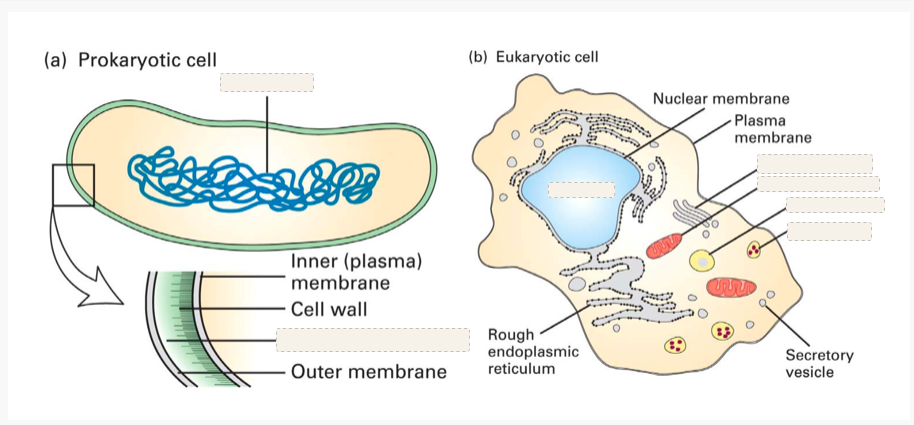
cell-diagram.png14 labels detected
Prokaryotic and eukaryotic cell diagram with labels being masked for image occlusion flashcards
Hide all, guess oneHide one, guess one
✓14 Anki-style cards

AI Image Occlusion · Image Occlusion for Anki · Diagram Labeling Flashcards

Short answer

What is AI image occlusion?

Image occlusion is a flashcard technique where parts of a labelled diagram are covered and you have to recall what is underneath. In Anki you draw each mask by hand with the Image Occlusion tool. AI image occlusion does that step for you: Lorea detects the text labels and leader lines in your image, places a mask over each one and generates one card per label, so a diagram with twenty structures becomes twenty cards in seconds.

Input
Diagrams from PDFs, slides, screenshots or photos
Modes
Hide all, guess one · Hide one, guess one
Best for
Anatomy, histology, cell biology, chemistry, maps
Price
Free to start on Lorea's free plan

How it works

How to use the AI Image Occlusion

Three steps, about a minute from upload to a finished result.

  1. STEP 1

    Upload a labelled diagram

    Screenshot a textbook figure, export a slide or upload the whole PDF. Lorea finds the diagrams inside it.

  2. STEP 2

    AI masks every label

    Each label gets its own mask automatically. Merge, delete or add masks if you want to group structures.

  3. STEP 3

    Study one label at a time

    Pick hide all, guess one for harder recall or hide one, guess one for context, then tap to reveal and rate yourself.

Who it's for

Who uses the AI Image Occlusion

Medical students

Anatomy atlases, brachial plexus, cranial nerves and histology slides.

Biology students

Cell organelles, the heart, the nephron and plant tissues.

Nursing and allied health

Body systems, ECG leads and medication administration sites.

Geography and engineering

Maps, circuit diagrams, machine parts and flow charts.

What is image occlusion and why does it work?

Most of what you learn in anatomy, histology and biology is spatial: which structure sits where, what connects to what. A text flashcard like "What passes through the foramen ovale?" tests a fact but not the picture in your head. Image occlusion tests the picture directly. You see the diagram with one label hidden and have to name it, which is exactly what exam label-the-diagram questions ask.

Because the rest of the diagram stays visible, each card also rehearses the surrounding structures. That is why image occlusion is one of the most popular techniques among medical students using Anki.

Image occlusion in Anki vs. AI image occlusion in Lorea

Anki ships with a built-in Image Occlusion tool since version 23.10, replacing the older Image Occlusion Enhanced add-on. It works well, but you still draw every mask by hand. For a single diagram that is fine; for a whole anatomy block with hundreds of figures it is hours of rectangle drawing.

Lorea automates exactly that step. It reads the image, finds each label and its leader line, and masks it for you. You keep the same study modes Anki users know, hide all, guess one and hide one, guess one, and review with flip-and-rate. If you prefer to keep reviewing in Anki, Lorea's detected labels show you precisely where to place the masks.

Hide all, guess one or hide one, guess one?

Both modes create one card per label. The difference is what you see while answering:

  • Hide all, guess one: every label is covered, one is highlighted. Harder, and best once you know the diagram roughly
  • Hide one, guess one: only the tested label is covered. Easier, and best for a first pass through new material
  • Group masks when structures are always learned together, such as the layers of a membrane

Tips for better diagram cards

Use clean, high-resolution figures and crop out anything you don't need to learn. Start with hide one, guess one and switch to hide all once you are getting most labels right. Mix diagram cards with text flashcards from the same chapter so you learn both what a structure is called and what it does.

Text-heavy chapters work better as PDF to Flashcards. Studying cells and organs? Explore them in 3D in the 3D Library, or drill structures under exam conditions with the MCAT and ATI TEAS games. Coming from Anki? See how Lorea compares in our Anki alternative guide.

FAQ

AI Image Occlusion: frequently asked questions

What is AI image occlusion?

It is image occlusion where the masks are placed automatically. Lorea detects every label on a diagram, covers it and creates one flashcard per label, so you do not have to draw boxes by hand.

Is this the same as Anki Image Occlusion?

It uses the same idea and the same study modes, hide all, guess one and hide one, guess one. The difference is that Anki's Image Occlusion requires you to draw each mask manually, while Lorea finds and masks the labels for you.

Can I use it with Anki?

You study the cards in Lorea with flip-and-rate review. If you want to keep reviewing in Anki, Anki's built-in Image Occlusion (version 23.10 and newer) accepts the same diagrams, and Lorea's detected labels show you exactly where each mask goes.

Is AI Image Occlusion free?

You can create image occlusion cards on Lorea's free plan without a credit card. Paid plans raise the limits for larger PDFs and more decks.

What images work best?

Labelled diagrams with clear text: textbook figures, lecture slides, anatomy atlases, histology images, maps and circuit diagrams. Higher resolution gives more accurate masks.

What if my diagram has blank label boxes?

Blank boxes are detected as well. Lorea suggests the structure that belongs in each one based on the diagram and your source material, and you can confirm or edit it.

What is the difference between hide all and hide one?

Hide all, guess one covers every label and asks about one of them, which is harder. Hide one, guess one only covers the label being tested, which is easier and good for a first pass.

Can I upload a whole PDF instead of single images?

Yes. Upload a chapter or slide deck and Lorea finds the diagrams inside it and creates an occlusion set for each one.

Create Image Occlusion Cards in under a minute.

Free to start. Add your material, pick your format and study smarter today.

Create Image Occlusion Cards